

Today on CAG
BLUE REFLECTION (PS4) $14.99 via PSN.

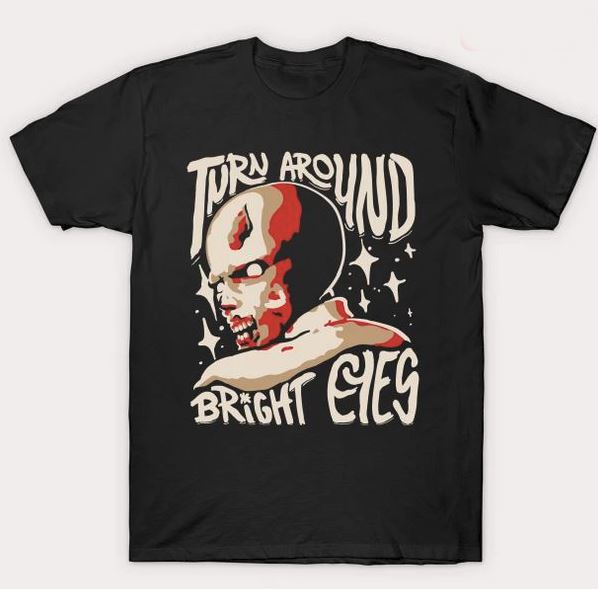
Resident Bright Eyes Shirt $16 via TeePublic.
Other Shirts.
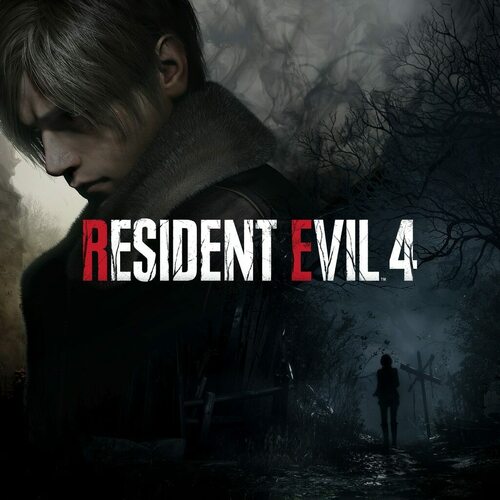
Resident Evil 4 (PS4/PS5) $19.99 via PSN.
Lost Judgment (PS4/PS5) $20.99 via PSN.
PS Plus Extra on PSN.
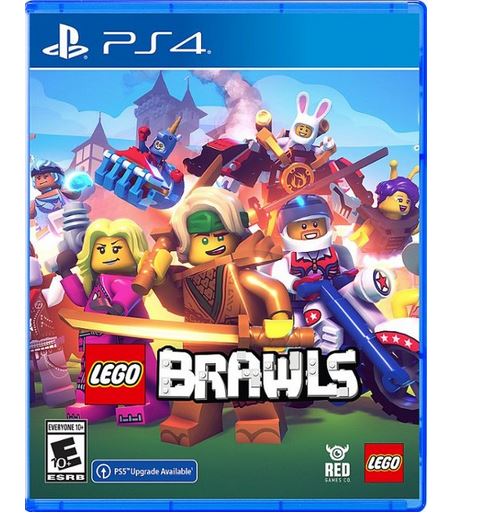
LEGO Brawls (PS4) $9.99 via Amazon (Prime Eligible).
Best Buy.
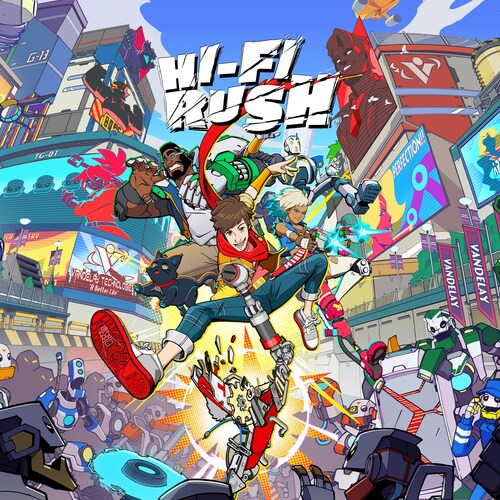
Hi-Fi RUSH (PS5) $20.99 via PSN.
Game Pass via Xbox.
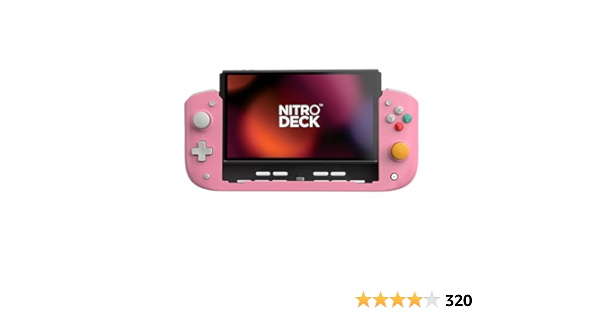
Nitro Deck - Handheld Pro Controller for Nintendo Switch and Switch OLED - Ergonomic Grip, No Stick Drift, Back Buttons $44.99 via Amazon (Prime Eligible). Lightning Deal.
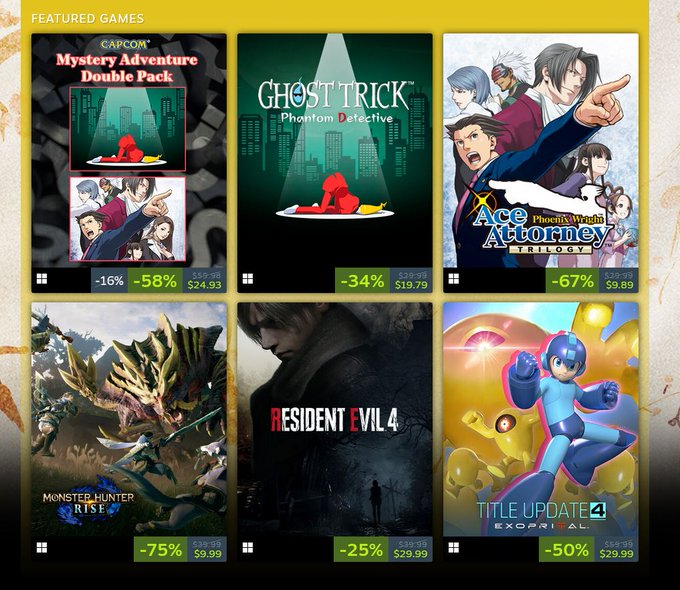
(PCDD) Capcom Golden week Sale via Steam.
(PCDD) The Last Spell $14.99 via Steam.
(PCDD) STEINS;GATE 0 $17.49 via Steam.
(PCDD) Lonely Mountains: Downhill $5.99 via Steam.
PS Plus Extra on PSN.
Game Pass via Xbox.

Mad Rat Dead (PS4) $19.99 via PSN.
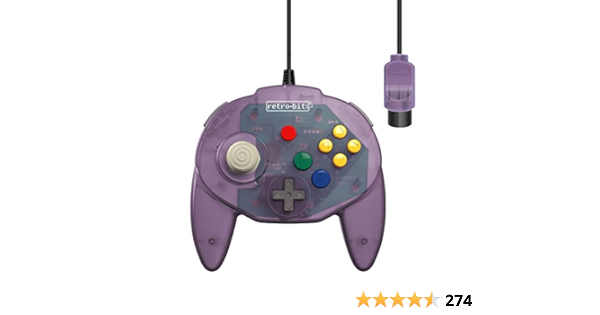
Retro-Bit Tribute 64 Wired N64 Controller for Nintendo 64 - Original Port - (Atomic Purple) $18.99 via Amazon (Prime Eligible).
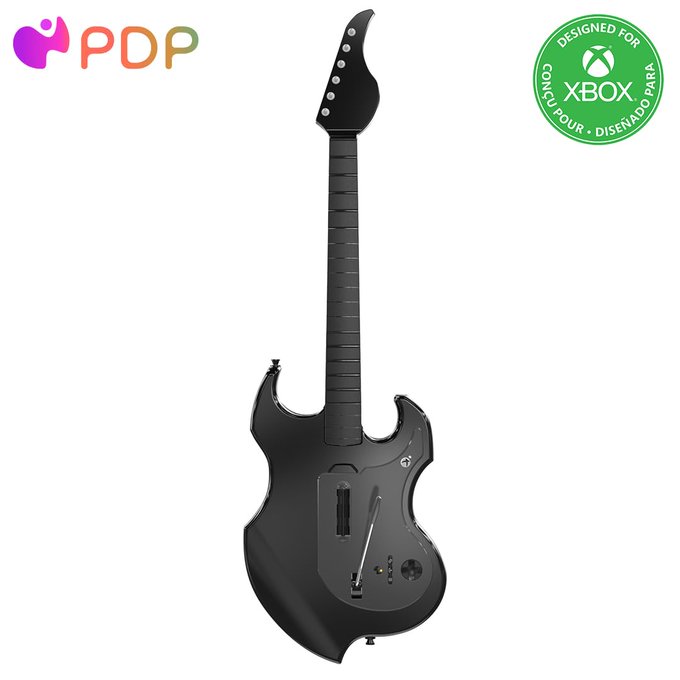
Pre-Order: PDP RIFFMASTER Wireless Guitar Controller (PS5/PS4/X1/X/PC) $129.99 via Amazon (Prime Eligible).
Ace Attorney Turnabout Collection (S) $19.99 via eShop.

Mega Man Zero/ZX Legacy Collection (S) $9.99 via eShop.
Capcom Fighting Collection (S) $19.99 via eShop.

Mega Man Battle Network Legacy Collection (S) $29.99 via eShop.

Ghost Trick: Phantom Detective (S) $19.99 via eShop.
Dragon's Dogma: Dark Arisen (S) $4.99 via eShop.
Atelier Ryza Sale via PSN.
Ever Darkness & the Secret Hideout (PS4) $23.99
Lost Legends & the Secret Fairy (PS4/PS5) $29.99
Alchemist of the End & the Secret Key (PS4/PS5) $38.99 via PSN.

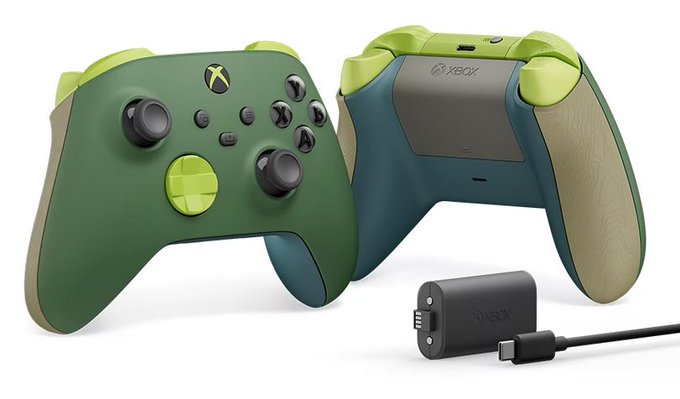
Xbox Wireless Controller – Remix Special Edition $67.99 via Microsoft Store.
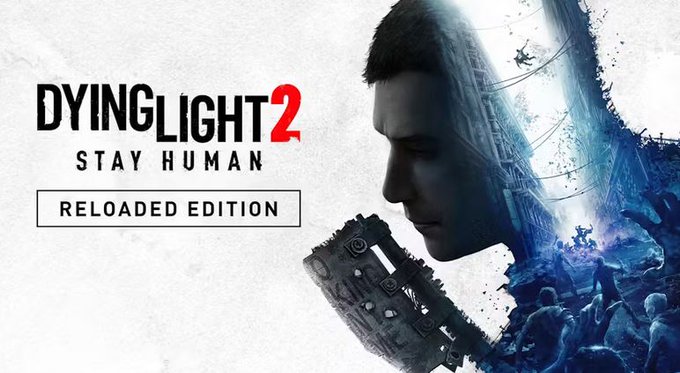
(PCDD) Dying Light 2 Stay Human: Reloaded Edition $23.39 (DRM: Steam) via Fanatical.
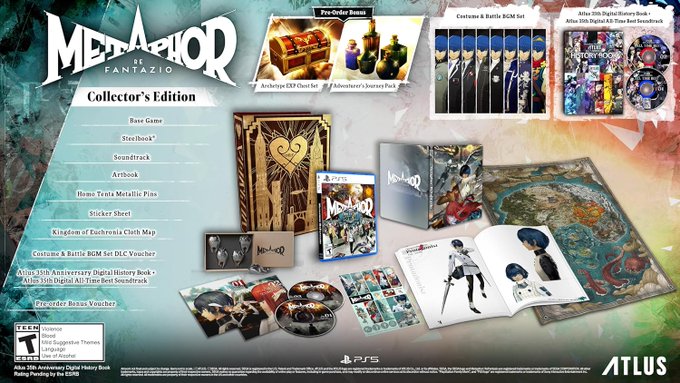
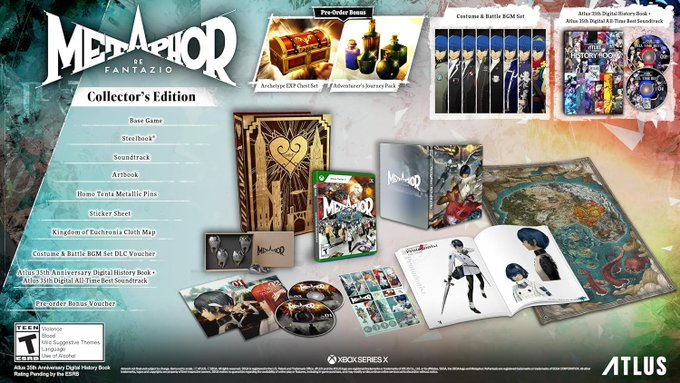
Pre-Order: Metaphor: ReFantazio (PS5/X) via Amazon (Prime Eligible).
Collector's Edition $149.99
PS5
X
Launch Edition $69.99
PS5
X
GameStop.
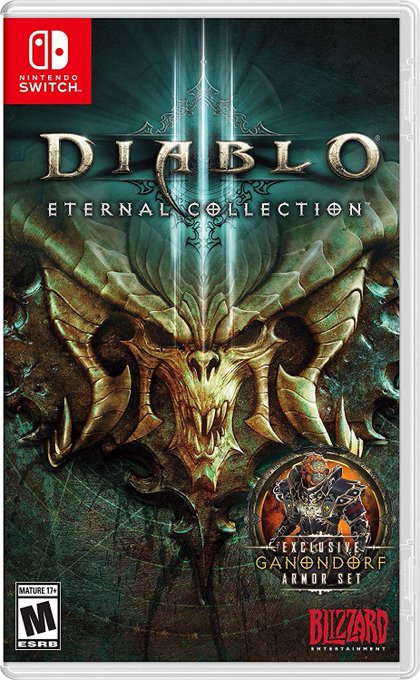
Diablo III Eternal Collection (S) $22.99 via Amazon (Prime Eligible).
GameStop.
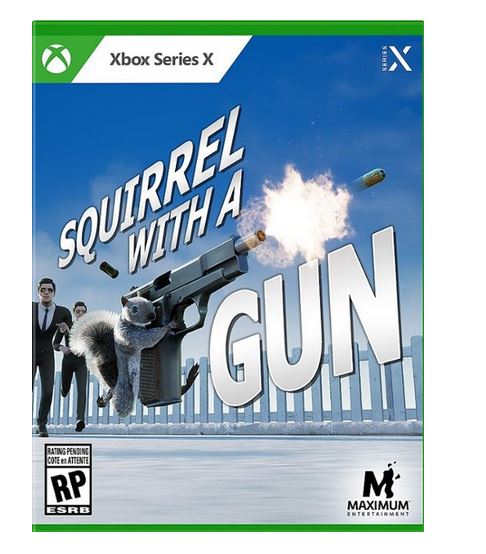
Pre-Order: Squirrel With A Gun (X) $29.99 via Best Buy.
(PS5/X) $29.99 via Amazon (Prime Eligible).
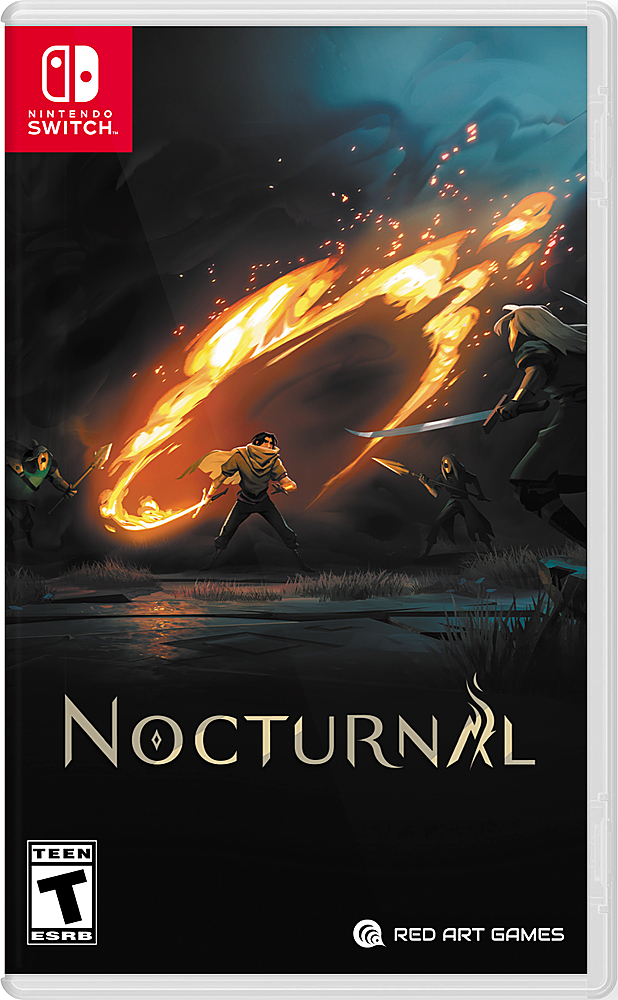
Pre-Order: Nocturnal (S/PS5) $34.99 via Best Buy.
Amazon (Prime Eligible).
PS5
S
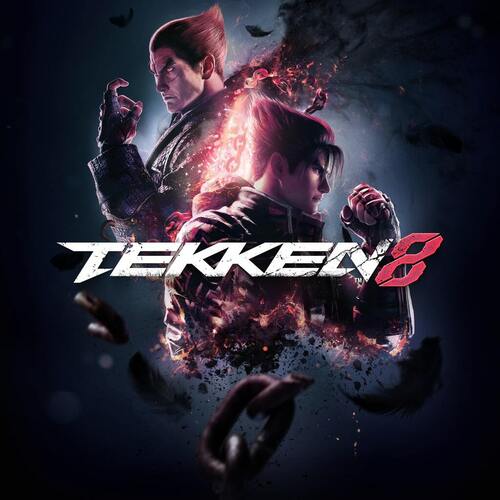
TEKKEN 8 (PS5) $48.99 via PSN.
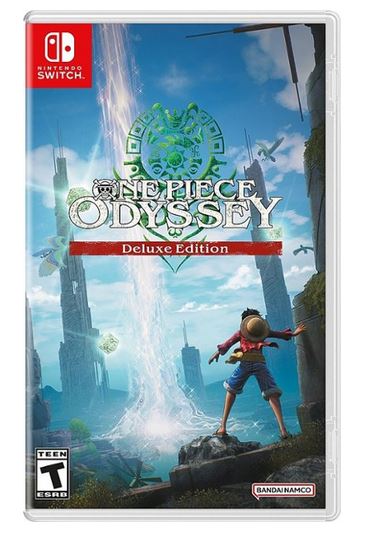
Pre-Order: One Piece Odyssey Deluxe Edition (S) $49.99 via Best Buy.
LIVE A LIVE (PS4/PS5) $24.99 via PSN.
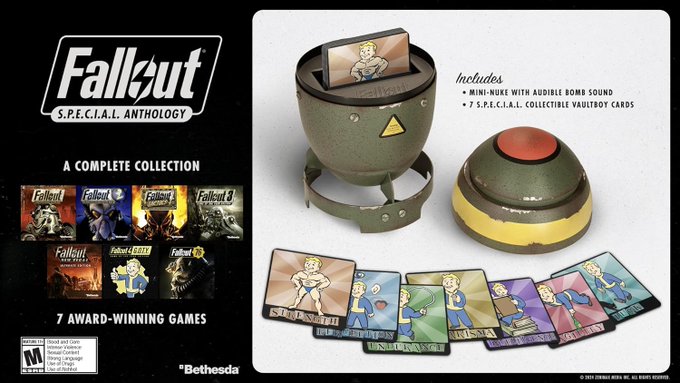
Fallout S.P.E.C.I.A.L. Anthology Edition (Codes in Box) - PC is in Stock $59.99 via Amazon (Prime Eligible).
FINAL FANTASY XVI (PS5) $34.99 via PSN.
VALKYRIE PROFILE: LENNETH (PS4/PS5) $11.99 via PSN.
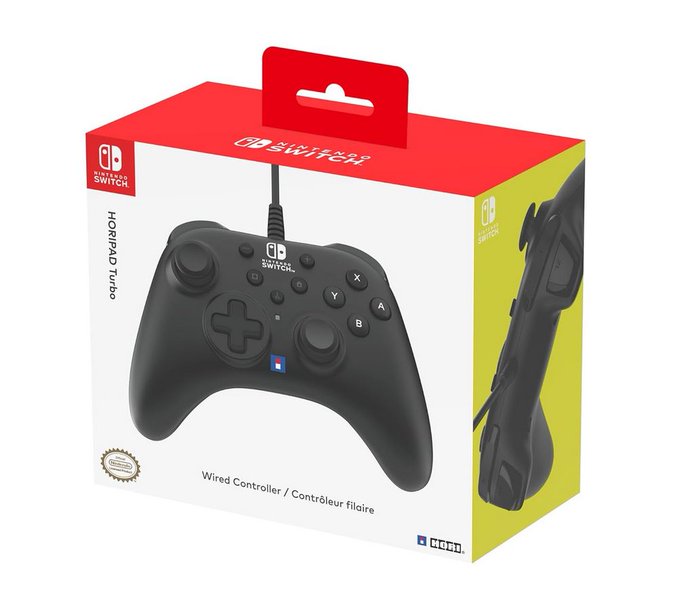
HORI Nintendo Switch HORIPAD Turbo (Black) Wired Controller Pad - Officially Licensed by Nintendo - Nintendo Switch & Nintendo Switch - OLED Model $23.70 via Amazon (Prime Eligible).
Star Wars: Heritage Pack (S) $49.99 via Amazon (Prime Eligible).
Target
Walmart (Walmart+ Eligible).

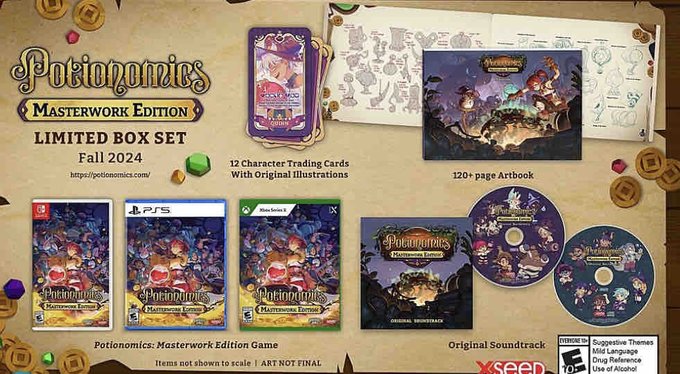
Pre-Order: Potionomics Masterwork Edition – Limited Box Set (X/S) 49.99 via Amazon (Prime Eligible).
S
X
(X/PS5/S) $49.99 via Best Buy.
GameStop.
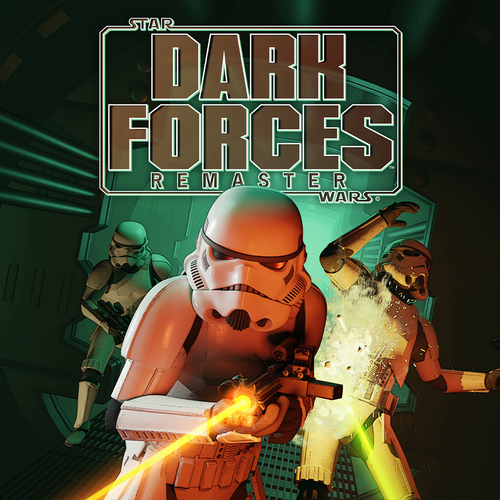
STAR WARS: Dark Forces Remaster (PS4/PS5) $20.99 via PSN.
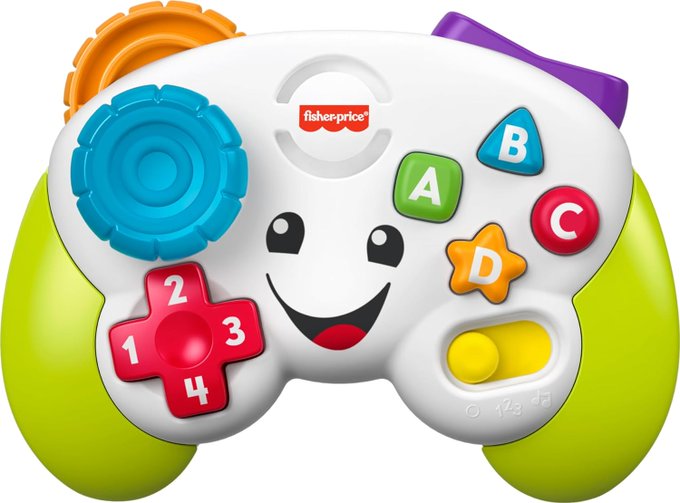
Fisher-Price Laugh & Learn Baby Electronic Toy, Game & Learn Controller Pretend Video Game with Lights and Music for Ages 6 Months+ $7.49 via Amazon (Prime Eligible).
Konami Code Easter Egg.
Diablo III Eternal Collection (S) $22.99 via GameStop.

Street Fighter Chun-Li Outfit 2 S.H.Figuarts Action Figure $71.99 via Entertainment Earth w/ Code: CHEAPGAMR (Free Shipping).
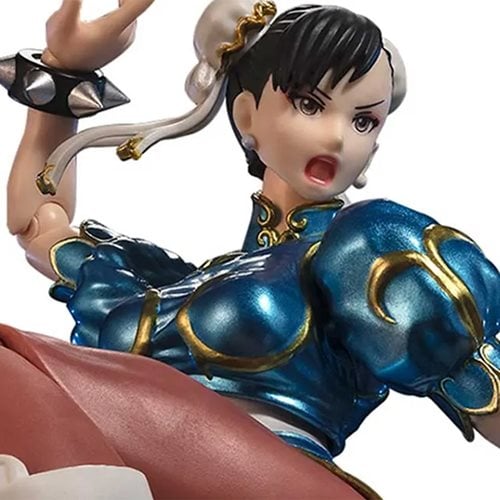
Street Fighter Chun-Li Outfit 2 S.H.Figuarts Action Figure $71.99 via Entertainment Earth w/ Code: CHEAPGAMER (Free Shipping).
Pre-Order: Metaphor: ReFantazio Collector's Edition (X) $149.99 via Amazon (Prime Eligible).
GameStop.
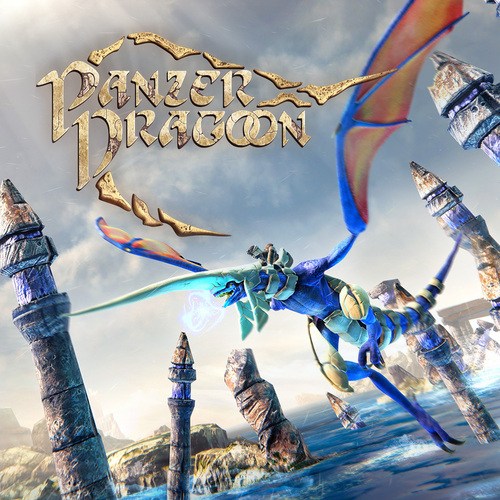
(PCDD) Panzer Dragoon: Remake $2.49 via GOG.
UFO Robot Grendizer: The Feast of the Wolves (PS4/PS5) $29.99 via Amazon (Prime Eligible).
(PS5/PS4/X) $29.99 via Best Buy.

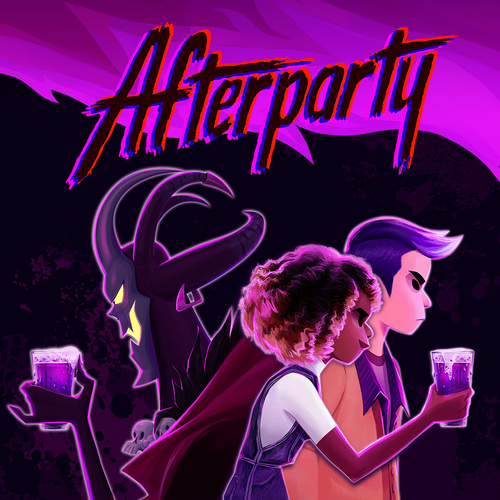
Afterparty (X1) $3.99 via Xbox.
Weekly Game Sale via Xbox.
(PCDD) Decarnation $9.20 (DRM: Steam) via Gamesplanet.

Lost Planet: Extreme Condition Colonies Edition (X1/360) $3.99 via Xbox.
Lost Planet 2 (X1/360) $3.99
Lost Planet 3 (X1/360) $3.99
Weekly Game Sale via Xbox.
bread's done