


Today on CAG
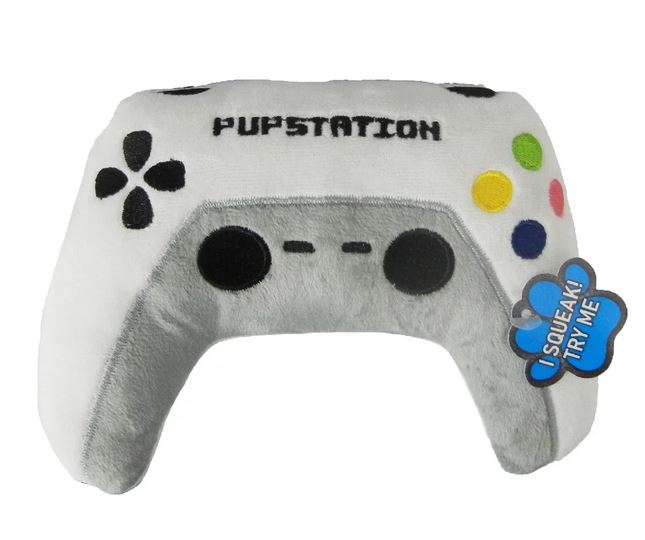
Plush Pupstation Gaming Controller Dog Toy $3.72 via Walmart (Walmart+ Eligible).
Please don't tell me you're waiting for the Pupstation Pro instead.
Shadow Man Remastered (PS4) $12.99 via PSN.
$9.99 (DRM: Steam) via Humble Bundle.

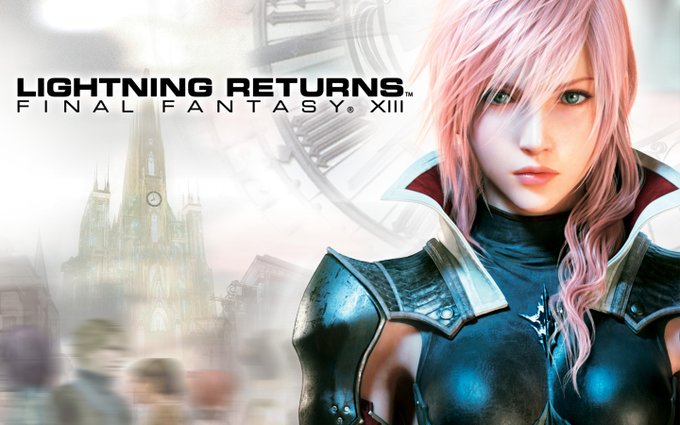
(PCDD) LIGHTNING RETURNS: FINAL FANTASY XIII $7.99 (DRM: Steam) via Humble Bundle.
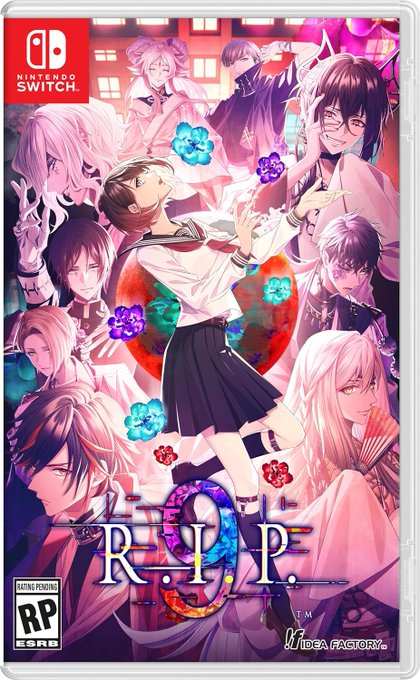
Pre-Order: 9 R.I.P (S) $49.99 via GameStop.
Amazon (Prime Eligible).
Best Buy.
(PCDD) STAR WARS Episode I Racer $1.93 (DRM: Steam) via Gamebillet.
$7.49 via eShop
Xbox
PSN

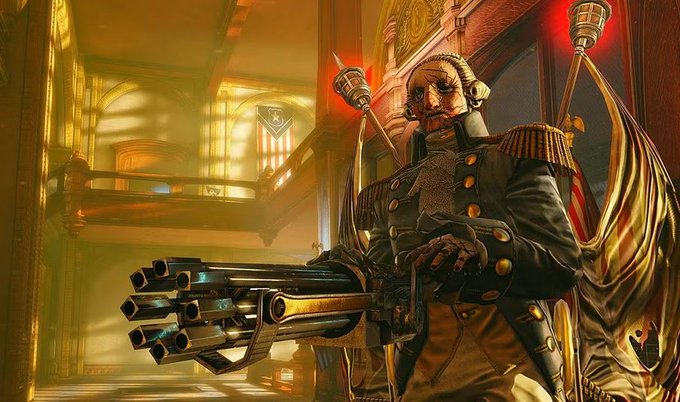
BioShock: The Collection (S) $9.99 via PSN (PS Plus Price).
eShop.
$10.44 (DRM: Steam) via Green Man Gaming.
(PCDD) Worldless $13.99 via Steam.

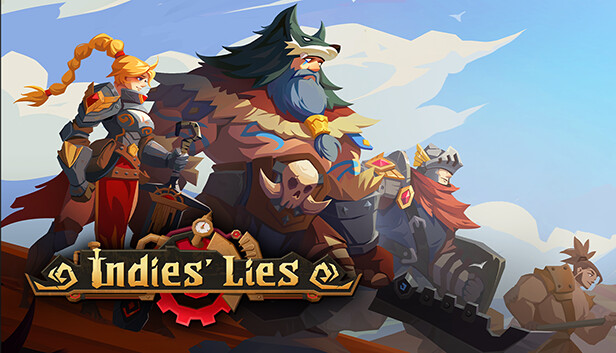
(PCDD) Indies' Lies $7.49 via Steam.
(PCDD) Milk outside a bag of milk outside a bag of milk $4.49 via Steam.

Pre-Played Marvel's Spider-Man 2 (PS5) $39.99 via Gamefly. Includes Everything the Game came With except the Shrink Wrap.

Floppy Knights (S) $7.99 via eShop.

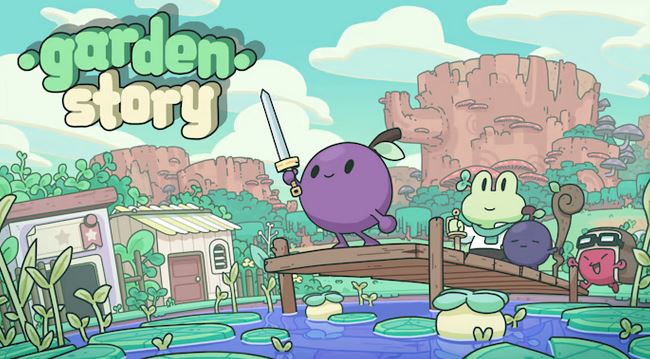
Garden Story (S) $7.99 via eShop.
Windjammers 2 (S) $9.99 via eShop.

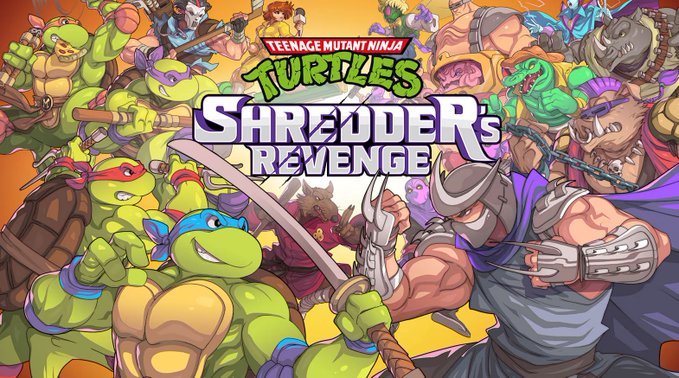
Teenage Mutant Ninja Turtles: Shredder's Revenge (S) $16.74 via eShop.
Game Pass via Xbox.
PS Plus Extra on PSN.
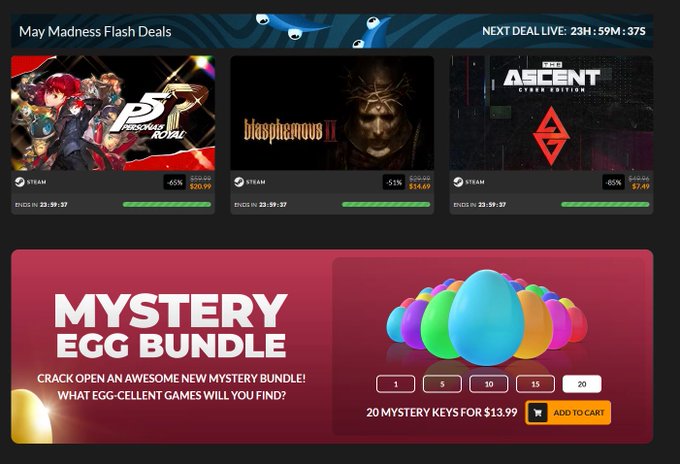
(PCDD) May Madness Flash Sales via Fanatical.
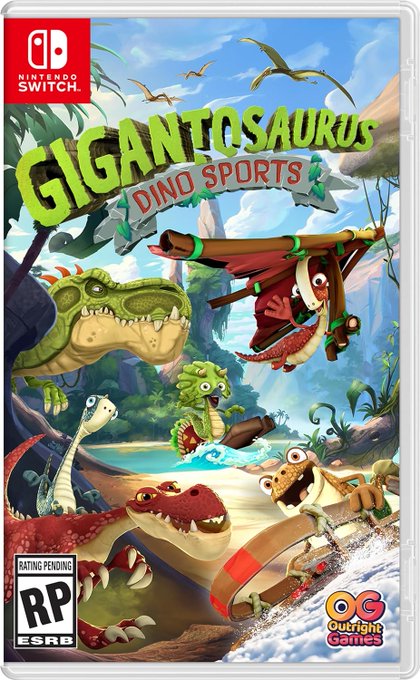
Pre-Order: Gigantosaurus Dino Sports (PS5/PS4/X1/X/S) $39.99 via Amazon (Prime Eligible).
PS5
PS4
S
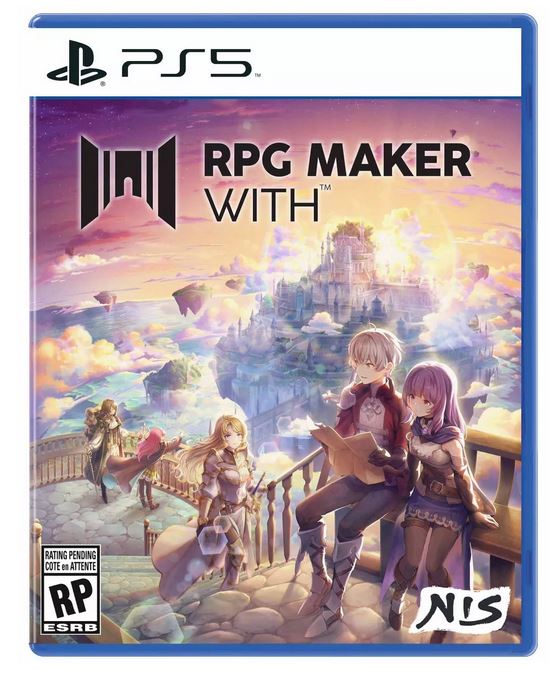
Pre-Order: RPG MAKER WITH (PS4/S/PS5) $49.99 via Target.
Best Buy.
Amazon (Prime Eligible).
Sonic 3D Helmet for Kids, Boys and Girls $29.77 via Amazon (Prime Eligible).

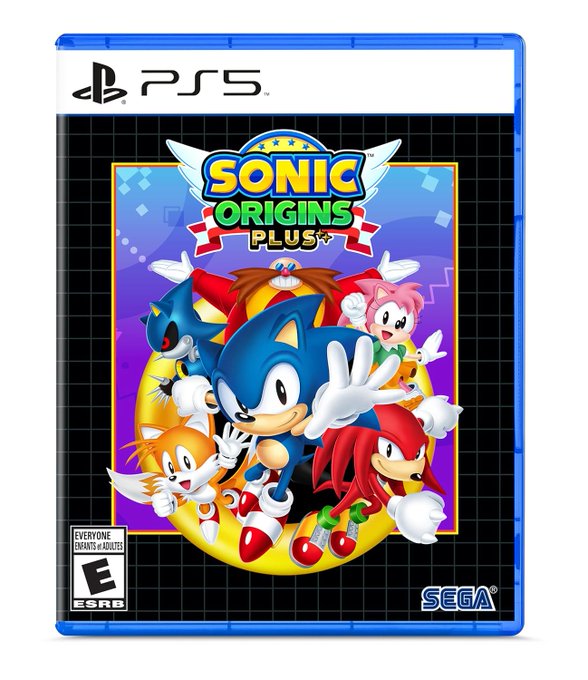
Sonic Origins Plus (PS5) $19.97 via Amazon (Prime Eligible).
Walmart (Walmart+ Eligible).
Red Dead Redemption (PS4) $39.99 via Amazon (Prime Eligible).
GameStop.
PSN.

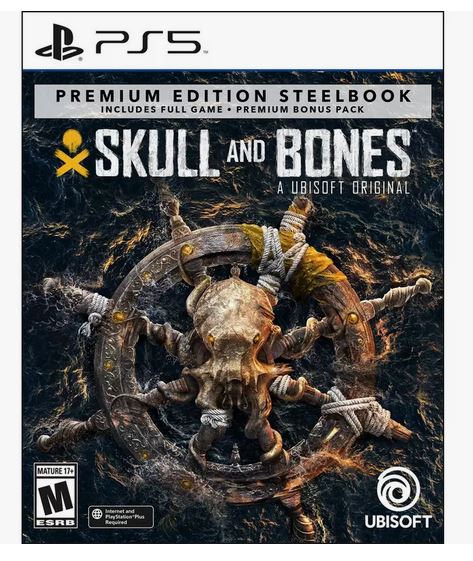
Skull and Bones Premium Edition SteelBook GameStop Exclusive (X/PS5) $79.99 via GameStop.
Regular $39.99
(PS5) via Amazon (Prime Eligible).
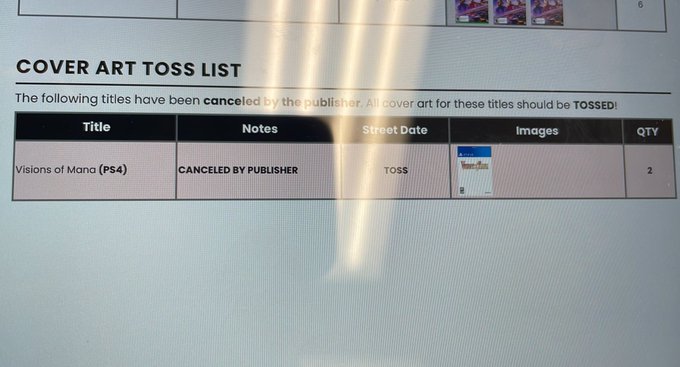
Visions of Mana for PS4 Seems to Have Been Cancelled According to GameStop's Marketing.
Some Retailers Still Have Pre-Orders. Might get cancelled though.
Best Buy.
Target.
Walmart (Walmart+ Eligible).
bread's done